Keynote Speaker


Featured Speakers




Tutorial Speaker

Fireside Speaker
Panel Discussion Speakers
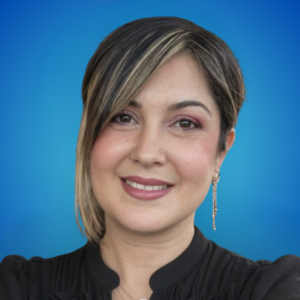
Pinar Tatlisu Morali
Test Automation, Team Leader, Airties
Pınar Tatlısu Moralı is a QA Test Automation Team Leader with over 17 years of experience in the information technology and consumer electronics industries. With a strong background in embedded software development, she brings a deep technical understanding of both product engineering and quality assurance practices.
Throughout her career, she has focused on building scalable test automation strategies, improving software quality processes, and enabling teams to deliver reliable products in complex environments. Her experience spans embedded systems, automation frameworks, and quality engineering practices within fast-paced technology organizations.
She is known for being self-driven, energetic, and highly customer-oriented, with a strong commitment to delivering meaningful quality outcomes that enhance user experience. Passionate about continuous learning and professional growth, she actively explores emerging technologies and advocates for modern, sustainable approaches to quality engineering.
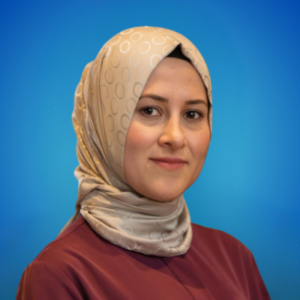
Elif Göktaş
Senior QA Manager, Turkcell
Elif Göktaş is a Quality Assurance Manager at Turkcell with over a decade of experience in software quality, mobile applications, and large-scale digital platforms. She leads strategic QA initiatives, focusing on building robust testing processes, scaling test automation, and fostering high-performing QA teams.
Elif is passionate about integrating quality across the entire Software Development Lifecycle and promoting a user-centered approach to product reliability.
Alongside her industry role, she contributes to the development of future engineers by teaching Applied Software Testing & Quality Assurance at university through the National Technology Academy.
She is also a Women Techmakers Ambassador and an hashtag#IamRemarkable facilitator, actively supporting young people and encouraging diversity and inclusion in the tech industry.
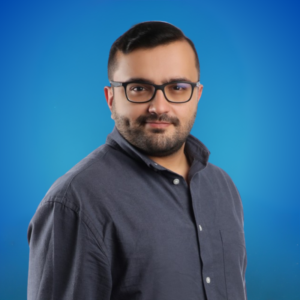
Hayrullah Ozturk
Software Quality Assurance Manager, Logiwa
Hayrullah Öztürk is the QA Manager at Logiwa WMS, where he leads end-to-end test automation and quality lifecycles. With over 5 years of engineering management experience, he has a proven track record of building robust QA infrastructures from scratch and scaling them for high-growth, high-demand environments like Getir and Digiturk.
Beyond his leadership at Logiwa, Hayrullah is a Technical Instructor specializing in Java and Test Automation. He is a strong advocate for the “Pragmatic Humanist” approach in engineering—focusing on fusing AI with practical testing strategies to solve real-world challenges, such as the LogiPulse project. By blending technical depth with a focus on human-centric design, he helps teams navigate the transition from traditional automation to AI-driven, sustainable quality ecosystems.
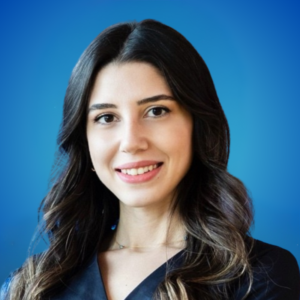
Elif Gurcuoglu
Delivery Director, Adesso
Delivery Director, with a background of working in various roles such as Project manager, QA manager, and product owner for large-scale global companies. Starting her career as a business analyst, she gained hands-on experience with a wide range of technologies.
After having years of experience in digital product management; she brought her learnings into the quality assurance field. Today, she’s leading multi-national project teams as Delivery Director at adesso Turkey as well as contributing some of the Projects as SME in QA.
Hamide Bayar
Associate Director Quality Engineering, VeriPark
Hamide Bayar is a Quality Engineering leader with 20+ years of experience in banking and fintech, specializing in quality transformation, shift-left practices, test automation, and governance. She has led large QA and QE teams and is passionate about helping organizations build modern, trusted, and scalable quality practices. She is particularly interested in how leadership, communication, and AI are reshaping the future of quality engineering.